
LGBT History Month: in conversation with a Gay Gooner
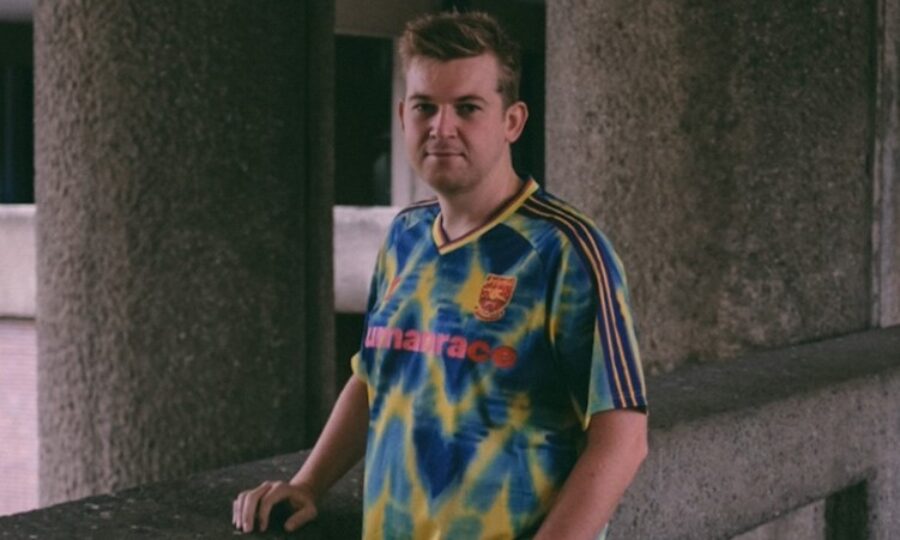
LGBTQ+ History Month is a time to reflect on the progress that has been made, recognise the work still to be done, and celebrate the communities that continue to create safer, more inclusive spaces.
Throughout February, we’ll be sharing stories of the people who are striving to make Islington as inclusive as possible. From residents to organisers and community groups whose work continues to shape what equality looks like here, day to day.
Football hasn’t always been an easy space for LGBTQ+ people. Despite growing visibility and representation, many fans still experience exclusion, harassment or feel unable to be open about who they are on match days. Supporters’ groups like the Gay Gooners, Arsenal’s LGBTQ+ supporters’ group founded in 2013, challenge that reality by creating community, visibility and safety within the sport.
We spoke to longstanding member of the Gay Gooners, Ashley McKay, about how the group has grown, why it still matters, and what LGBTQ+ History Month means in the context of football today.
How did you first get involved with the Gay Gooners?
To be honest, I can’t remember exactly how I first heard about them, I was attending games around Islington before I even had a season ticket and before I even moved to London! But I’ve been involved since the early days when the Gay Gooners were first founded around 2013.
It was more while I lived nearby, on Laylock Road, that I started getting actively involved. At first, it was about the social side as much as the football, getting to meet up with people before matches and connecting with others who shared both my identity and my love of Arsenal.
What drew you to the group in the first place?
There were a few things that pulled me in. Firstly, it was the social element. Every match day there’s a meetup, even if you’re not going into the game, which gives you a chance to connect with people.
Secondly, I wanted to be part of a collective voice that could influence how Arsenal and the broader football community think about LGBTQ+ inclusion. There aren’t many openly gay people working across football, so having a supporter’s group that speaks directly to the club about representation and inclusivity matters. It gives us a platform that many other fan groups don’t have.
What does being part of the Gay Gooners offer that supporting on your own didn’t?
It’s a huge community. At away games, especially, you’ll see really big turnouts. There were over 30 Gay Gooners at one match recently, including fans who travelled from abroad. Being in numbers makes a difference, it’s not just about visibility, it’s also about safety and comfort, especially for people who might be nervous going to a game on their own.
At a recent match in Milan, the group experienced a few incidents of homophobia. Being together meant no one was isolated; that sense of safety in numbers is a big part of why this space matters.
Why do groups like the Gay Gooners remain important today?
Even though we’ve made progress, there’s still so much work to do. Football has a reputation for being conservative in some areas, and while Arsenal is known for being relatively progressive, it’s vital that LGBTQ+ spaces continue to push for greater inclusivity.
The Gay Gooners were actually the first LGBTQ+ supporters’ group to display their banner at a sporting stadium and to take part in the London Pride parade, a sign of how far they’ve helped push the sport towards visibility.
What role does the group play beyond match days?
It’s not just about football. There’s a vibrant online and social life — WhatsApp groups where people support each other, make plans, and build friendships. People I met through Gay Gooners have ended up living near me and becoming friends outside of games. They also run regular social events, like Christmas parties, and take part in London Pride and other community celebrations. Between the match days and the social events, it really feels like a community you can belong to, especially if you’re new to the area.
How is the group organised?
It’s all voluntary, and many people put in a ton of time and energy. There are co-chairs, people organising match events and ticketing, and members handling outreach and online presence. They’re active in meetings with Arsenal about everything from match day welfare to special LGBTQ+ initiatives.
Some of the work they do behind the scenes, especially things tied to club decisions, isn’t always public, but members are consulted where possible, and that input helps shape how the club approaches inclusivity.
What would you say to a gay Arsenal fan thinking about joining?
As cliché as it sounds, just do it! Fill out the sign-up form, be clear about what you want, whether that’s the social meetups, the pre-match gatherings, or just somewhere that feels welcoming and give it a go.
It’s not just a football supporters club — it’s a social network, a safe place, and a community. There are so many friendly people ready to welcome you, and you might walk away with new friends you see beyond just match days too.

