
Helping boys build confidence, resilience and friendships
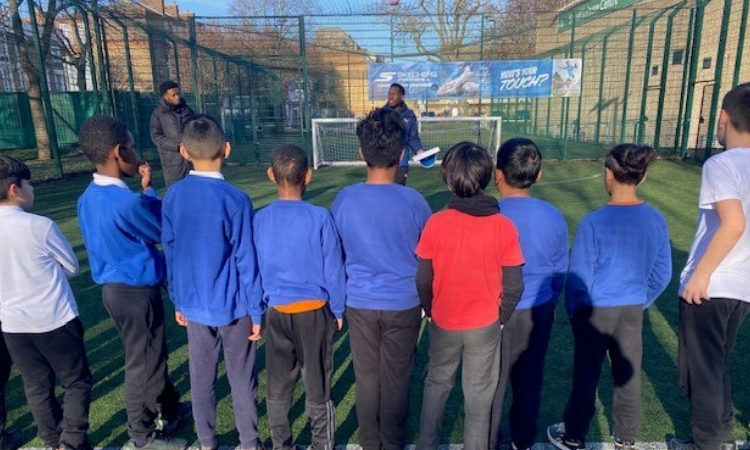
Denise Lake believes sport can positively shape children’s minds as much as it does their bodies. As Health Improvement Officer in Islington Council’s Physical Activity Team, she works to help children and young people become more active, particularly those facing the greatest barriers to participation. Denise saw that many schoolboys needed support that went beyond physical exercise.
That insight led to the creation of the Boys Empowerment Club, a council-funded, pioneering programme that combines physical activity, mentoring and guided discussion to help boys build confidence, resilience, emotional intelligence, and healthy relationships.
“We wanted to think about how we could use physical activity to engage boys and address some of the challenges they were facing,” Denise explains. “Things like behaviour, emotional regulation, confidence, friendships and mental wellbeing.”
Using sport as a way to engage with children, the Boys Empowerment Club provides boys with positive male role models who help them explore complex topics such as emotional wellbeing or managing change.
The programme begins with six weeks of sessions in primary schools, followed by a longer-term Hub Club based at Sobell Leisure Centre. Boys aged 9 to 11 take part in a mixture of sport and discussion, with each group shaped around the specific needs of the children involved.
“We don’t run exactly the same programme every time,” Denise says. “We ask the boys what their strengths are, what they enjoy and what they find difficult. We also speak to parents and schools. Then we tailor the sessions to each group.”
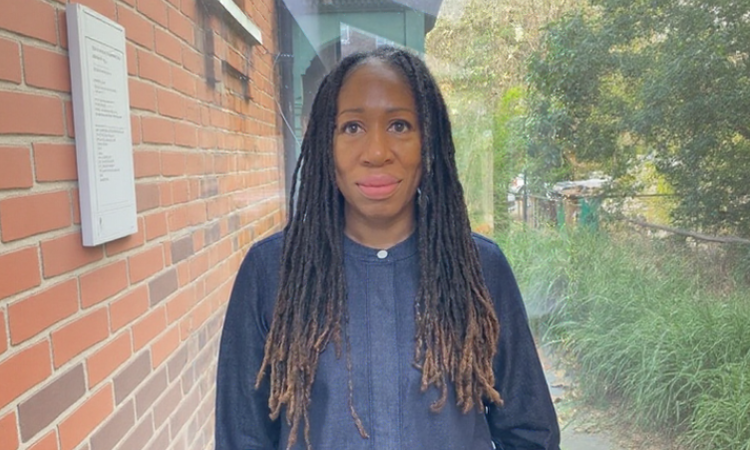
Denise Lake, Health Improvement Officer at Islington Council
Small group sizes allow coaches to develop meaningful relationships with participants, creating a safe environment where boys feel comfortable opening up. Discussions often focus on recognising emotions, understanding the consequences of actions and developing strategies to respond to challenges in a healthier way.
The power of this approach was evident when one boy recognised that playing in a certain football position often left him frustrated and unable to control his reactions. Rather than allowing events to repeat themselves, he requested a different role on the pitch.
“That’s self-awareness,” Denise says. “He understood the situation that was triggering his behaviour and proposed a different approach.”
For her, these moments are among the programme’s greatest successes. Parents have reported improvements in confidence, friendships and behaviour, while coaches regularly see boys grow in self-belief and willingness to express themselves.
“What I’ve noticed most is the relationships between the coaches and the boys,” she says. “Some children arrive unsure and reluctant to talk. Within a few weeks they’re going to the coaches and sharing things because they feel safe and understood.”
Some boys may have limited access to positive male influences. The club offers role models who talk about their emotions, ask for help, and be themselves.
“It’s about giving them a toolkit,” she says. “Helping them understand that they’re enough, and that there are people there to support them.”
To learn more about the Boys Empowerment Club contact: info@accesstosports.org.uk
Latest Discover Islington blog
- Helping boys build confidence, resilience and friendships 25 November 2026
- Voices from the Inclusive Growth Plan launch 20 November 2026
- Celebrating the volunteers making a difference in Islington 18 November 2026
- The GPs leading Andover Medical Centre 17 November 2026
- Boosting health through beautiful art 13 November 2026
- Re:faces 9 November 2026

