
Living with sickle cell
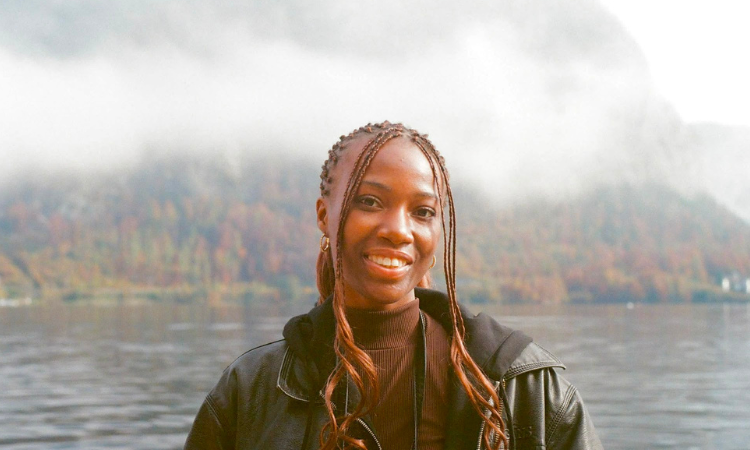
As part of Sickle Cell Awareness Month this September, we spoke to Islington resident Manuela Engelbert about living with sickle cell disease, the misconceptions that still exist, and why greater understanding can make a real difference.
“Receiving my diagnosis changed my life”
Manuela was born and raised in Germany and spent much of her childhood doing all the usual things: going to school, playing sports and spending time with friends. But alongside everyday life, she experienced periods of severe pain that no one could explain.
After moving to the UK, those episodes became more frequent. Following several hospital admissions while studying at university, Manuela was diagnosed with sickle cell disease at the age of 20.
“Receiving that diagnosis changed my life. Suddenly, years of unexplained symptoms made sense,” she says.
Since then, managing her condition has become a part of daily life.
“I’ve had to learn how to manage my condition carefully, from staying hydrated and avoiding extreme temperatures to recognising when my body needs rest. I still live a full life, but I’ve learnt not to push myself beyond my limits.”
Challenging misconceptions about sickle cell
One of the biggest misconceptions, Manuela says, is that people with sickle cell exaggerate their pain.
“In reality, a sickle cell crisis can be excruciating and may require strong pain relief. Because the condition is often invisible, people don’t always understand how serious it can be.”
She also highlights the lack of understanding about who can be affected.
“While sickle cell mainly affects people of African and Caribbean heritage, it can also affect people from South Asian, Middle Eastern, Mediterranean and Hispanic backgrounds.”
The importance of support
Because sickle cell is not always visible, many people are unaware of the impact it can have on everyday life.
“Most people wouldn’t know I have sickle cell unless I tell them. I’ve had to cancel plans, miss work when I’ve been unwell and sometimes deal with people not understanding the condition.”
For Manuela, support from family, friends and healthcare professionals has been invaluable.
“My mum has spent countless hours sitting with me in A&E and supporting me through some very difficult times. That kind of support means everything when you’re living with a long-term condition.”
Why conversations about Black health matter
Manuela believes that greater visibility of sickle cell and wider conversations about Black health are essential.
“People of African and Caribbean heritage are known to experience health inequalities and, because sickle cell mainly affects these communities, awareness is especially important.”
She points to the findings of the No One’s Listening report, which highlighted serious failings in sickle cell care and the impact a lack of understanding can have on treatment and patient experiences.
“While there have been many positive changes since then, including greater awareness through NHS campaigns, social media and community advocacy, there is still work to do.”
More open conversations, she says, can help challenge misconceptions, improve healthcare experiences and ensure people living with conditions such as sickle cell feel seen, heard and supported.
“They can also help tackle the stigma that still exists and encourage people to seek help when they need it.”
“Greater understanding would make a real difference”
Manuela hopes readers come away with a better understanding of the realities of living with the condition.
“Sickle cell is much more than pain. It affects work, education, relationships and mental wellbeing. But having sickle cell doesn’t make someone weak. People living with the condition are incredibly resilient and face challenges every day that many others never see.”
This Sickle Cell Awareness Month, she hopes people will take the time to learn more.
“Greater understanding, compassion and support would make a real difference to individuals and families affected by sickle cell.”

