
Healthy eating
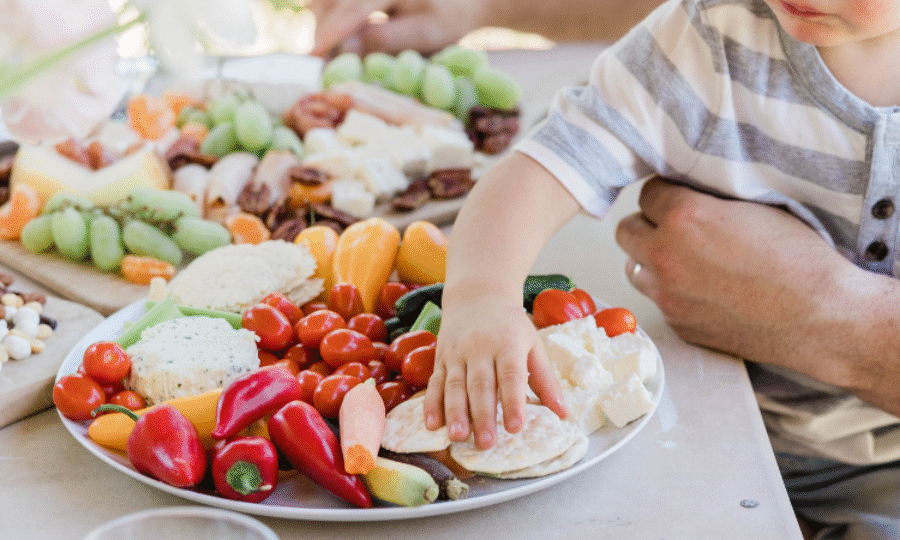
Healthy eating plays a vital role in children’s growth, learning and wellbeing. We spoke to Marjon Willers, Islington’s Specialist Dietitian for Schools and Early Years, about why nutrition matters, the challenges families face, and how healthy eating can be realistic, affordable and enjoyable
What does a typical week look like in your role?
There’s no such thing as a typical week. I might be shaping school food standards, supporting early years settings, or overseeing the Families for Life programme. This includes Family Kitchen sessions, where parents and children cook and eat together, and Taste Education, which helps children explore fruit and vegetables using all their senses. We help children and parents feel excited about food.
Why is healthy eating so important in childhood?
Around 90% of brain growth happens before the age of five. Children need the right nutrients to grow, learn, concentrate and manage their emotions. While every child is different, diet plays a big role in health, development and even academic achievement.
What are some of the biggest barriers to healthy eating for families in Islington?
Many families are under pressure from the cost of living. When budgets are tight, it’s often about keeping everyone full rather than food quality. Being short on time, not having proper cooking facilities or lacking confidence in the kitchen can lead to more convenience foods. Skipping breakfast, particularly among older children, is also an issue and can affect behaviour and learning at school.
Any common nutrition myths that you’d like to clear up?
Yes! First, milk isn’t an effective meal replacement. While milk contains important nutrients, it doesn’t provide enough iron or fibre. Second, smoothies aren’t as healthy as often claimed. Blending fruit releases sugars, which can affect dental health. Whole fruits are usually better. Finally, manufactured snacks and baby foods are often less nutritious than simple options you can put together at home like yoghurt or toast!
For busy families, what does ‘healthy and realistic’ eating actually look like?
Healthy eating can be simple. Peanut butter on wholegrain toast, pasta with a simple sauce adding frozen vegetables, or eggs on toast with tomatoes: these are all great options. Please don’t compare yourself to “perfect” parenting you might see represented on social media. There are many routes to success. Focus on what’s realistic for your family.
Any practical low-cost tips that can help families eat well without breaking the bank?
Use frozen or tinned vegetables and fish, they’re nutritious and affordable. Bulk meals out with beans or lentils, plan 6 days of meals ahead, have leftovers on the seventh day. Make use of support like Healthy Start vouchers and free school meals. Most importantly, enjoy food together. Eating well is about nourishment and connection. Role-modelling encourages healthier eating in kids – if they see you enjoying healthy foods, they’ll want them too!
Sign up to Healthy Start here: https://www.healthystart.nhs.uk/
To register for Families for Life programme visit FiS: Find Your Islington | Families for Life

