
Inside ‘Queer as Comics’
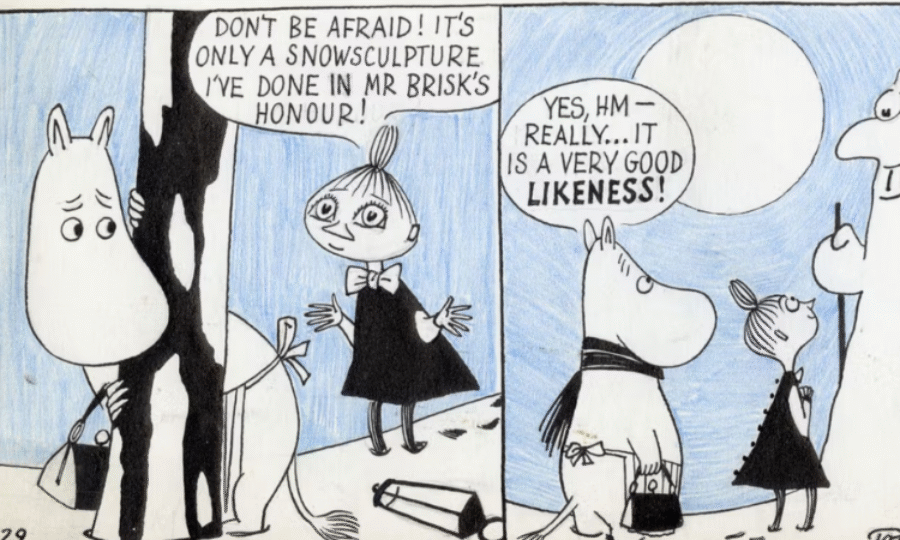
For Pride, we sat down with Paul Gravett, curator of one of the debut shows at the newly opened Quentin Blake Centre for Illustration (QBCI). ‘Queer as Comics’ is a riveting and rich review of the ways artists have used the comic form to communicate queer narratives. Spanning 80 years, the show is an eye-opening crowd pleaser!
Can you describe Queer as Comics in your own words?
It’s an overview and celebration of LGBTQ+ lives and stories. Comics have been a way for queer people to express themselves for many years. Often, these stories were hidden or pushed aside, but they still challenged social norms and spoke out against prejudice and discrimination.
In this sense, comics themselves can feel “queer” — experimental, different, and sometimes not taken seriously as an art form. Yet they are powerful because they combine images and words in ways that can tell unique and meaningful stories.
Where did the idea for the show come from?
Surveys run by QBCI showed that its audiences were crying out for queer content and comics, so what better than blend those themes together? This show was inspired by a Tom of Finland exhibition in 2020, also hosted by QBCI, but cruelly cut short by Covid. We wanted to broaden the scope and include many more diverse voices. There are artists here who have never been exhibited!
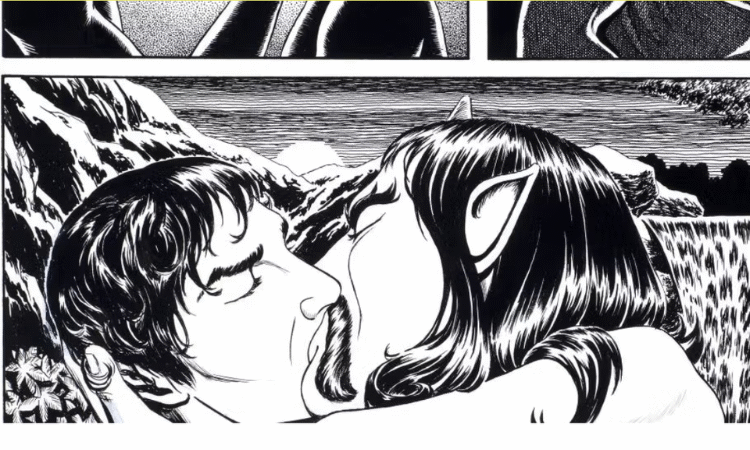
Could you pick out some lesser-known artists you’re excited about from the show?
I’d point towards Jeremy Dennis, a nonbinary and bisexual comic artist who published photocopiable zines like Three in a Bed. Also, Samuel D. Delmy’s auto fictional graphic novel Bread & Wine about the protagonist building a romantic relationship with a homeless man. Also, The Street by Oliver Frey about young gays cavorting around Manchester which Russell T Davies acknowledges as a profound inspiration for the landmark TV show Queer as Folk!
What do you hope for queer people visiting the exhibition?
I hope they see themselves represented here, including their resilience. These comics faced homophobia but persisted, and now there’s this rediscovery happening. I hope young people see the deep history of modern works like Alice Osman’s Heartstopper, which we’re proud to have in the exhibition.
What does it mean to be one of the opening shows at QBCI?
It’s an honour. I believe QBCI is a rare example of residents being listened to during the formation of a new cultural institution. It’s such an amazing place for people to come and visit. This heritage building has been transformed and given a new life. And we would love to hear from Islington’s queer residents about their views on the show!
The exhibition runs until 4 October.
You can learn more on QBCI’s website: Queer as comics | Quentin Blake Centre for Illustration. Islington Council is proud to have provided significant funding and support to QBCI.

