
Planning for the future
Planning ahead doesn’t have to be daunting and it can make a real difference to your health, wellbeing and finances. One practical step is setting up a Lasting Power of Attorney (LPA).
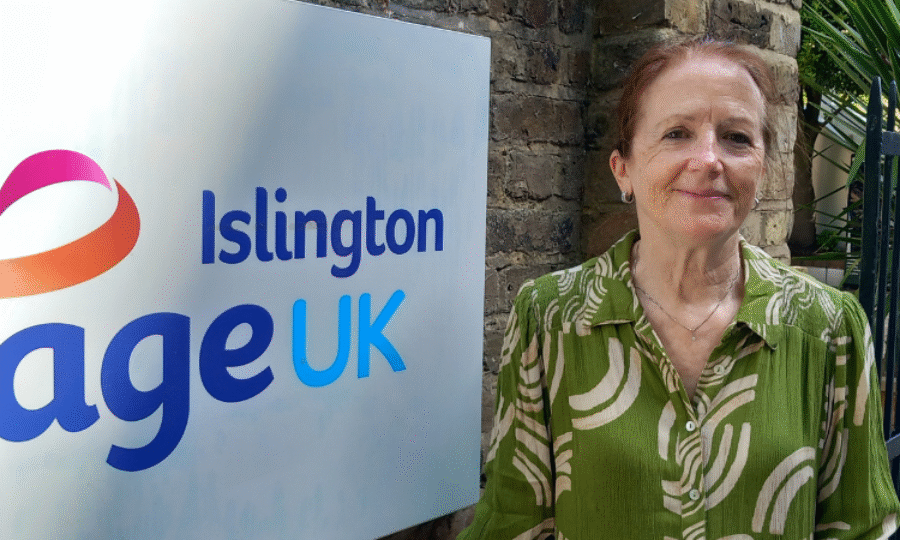
We spoke to Judith King from Age UK Islington about what it is, why it matters, and how local residents can get support.
Tell us a bit about your role at Age UK Islington
I’m the Project Coordinator for Planning for the Future. I work with trained volunteers to support residents with things like wills, advance care planning and Lasting Power of Attorney. We help people understand their options and guide them through the process.
What is an LPA and when should people start thinking about it?
An LPA is a legal document that lets you appoint someone you trust to make decisions on your behalf if you’re ever unable to.
There are two types. A Property and Financial Affairs LPA covers things like managing bank accounts, paying bills and dealing with utilities.
A Health and Welfare LPA allows someone to make decisions about your care, but only if you lose mental capacity.
It’s never too early to set one up. People often think it’s something you do later in life, but really it’s about being prepared like an insurance policy. You hope you won’t need it, but it’s there if you do.
Why does having an LPA make such a difference?
It means someone you trust can step in straight away if needed such as paying bills, managing banking and keeping things running.
Without it, bills can go unpaid, letters can pile up and people can fall into arrears without meaning to.
It also avoids a more complicated situation later on. If someone loses mental capacity without an LPA, families often have to apply for Deputyship through the Court of Protection. That can involve legal fees, delays and added stress at an already difficult time.
Many people assume their next of kin can step in, is that right?
It’s a really common misconception, but no, “next of kin” doesn’t automatically give someone the legal right to make decisions for you.
Without an LPA, families can find they’re unable to act when they need to, which is why planning ahead is so important.
What advice would you give to someone who feels unsure about asking a person to be their attorney?
Choose someone you trust, often a family member, but it doesn’t have to be. We usually suggest appointing more than one attorney, and ideally someone a generation younger.
Being an attorney might involve managing day-to-day finances or occasionally speaking to banks and services. The most important thing is that they understand your wishes and are willing to act in your best interests.
Where should people go if they want to get started?
An LPA is issued by the Office of the Public Guardian. You complete the forms, sign them and send them off to be registered.
It costs £92 to register each type, although fee reductions or exemptions are available for people on low incomes or receiving certain benefits.
Age UK Islington offers free support to help residents understand their options and complete the forms.
Find out more
- Visit: www.gov.uk/power-of-attorney
- Contact Age UK Islington for free guidance and support Contact Age UK Islington helpline Monday to Friday 9am – 5pm on 020 7281 6018 or contact gethelp@ageukislington.org.uk

