
Working through addiction
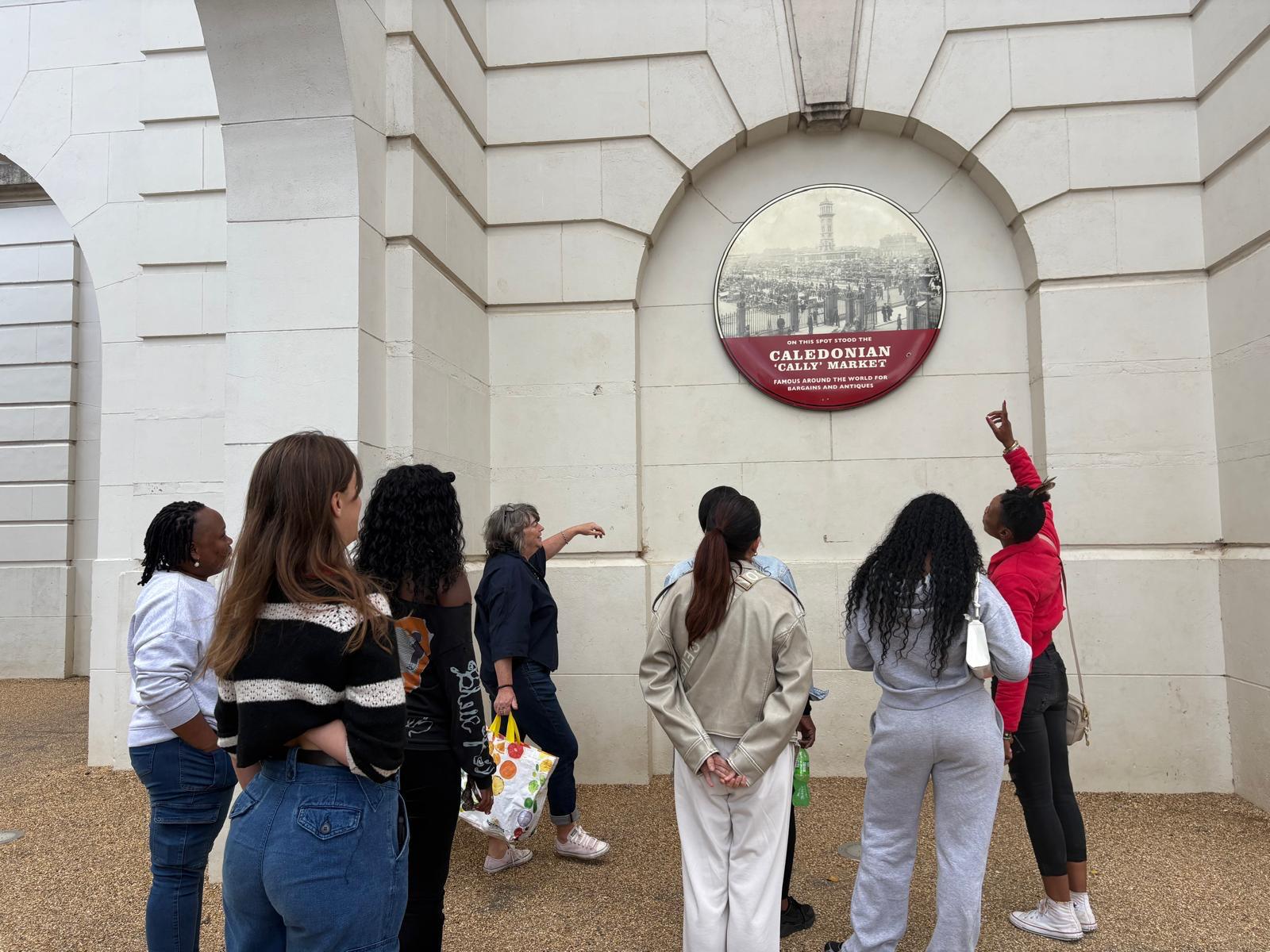
Recovery month may be over, but that doesn’t mean we stop celebrating recovery, because supporting residents to overcome addiction, rebuild their lives and help others is work taking place day in, day out. At Better Lives, Islington’s drug and alcohol support service, peer mentors are using their lived experience to support people at different stages of their recovery journey. Their stories are a powerful reminder that change is possible, and that nobody has to face recovery alone.
The five peer mentors we spoke to all came to Better Lives at different points in their lives – this interview will be anonymous to protect their privacy, and the photos accompanying it are taken from activities that took place elsewhere to mark Recovery Month.
Some of the peer mentors had stopped drinking or using drugs more recently, while others had been in recovery for many years. However, their answers shared a common theme: recovery returned things to them that they never expected to rediscover: confidence, hope, purpose, and possibility.
What does ‘recovery’ mean to you?
One mentor described recovery as “coming up from the dark into the light”, while another spoke about it as growth and becoming “a better version of yourself”. Others said recovery helped them reconnect with who they really are, rediscover interests they had lost and learn to care for themselves and others in ways they never had before.
For many, peer mentoring was the next step in that journey.
Several mentors said they had never believed they were capable of helping others. One spoke about struggling with low confidence and self-worth before becoming a mentor. Another said it was only when staff encouraged them that they began to recognise qualities in themselves that they could not see before.
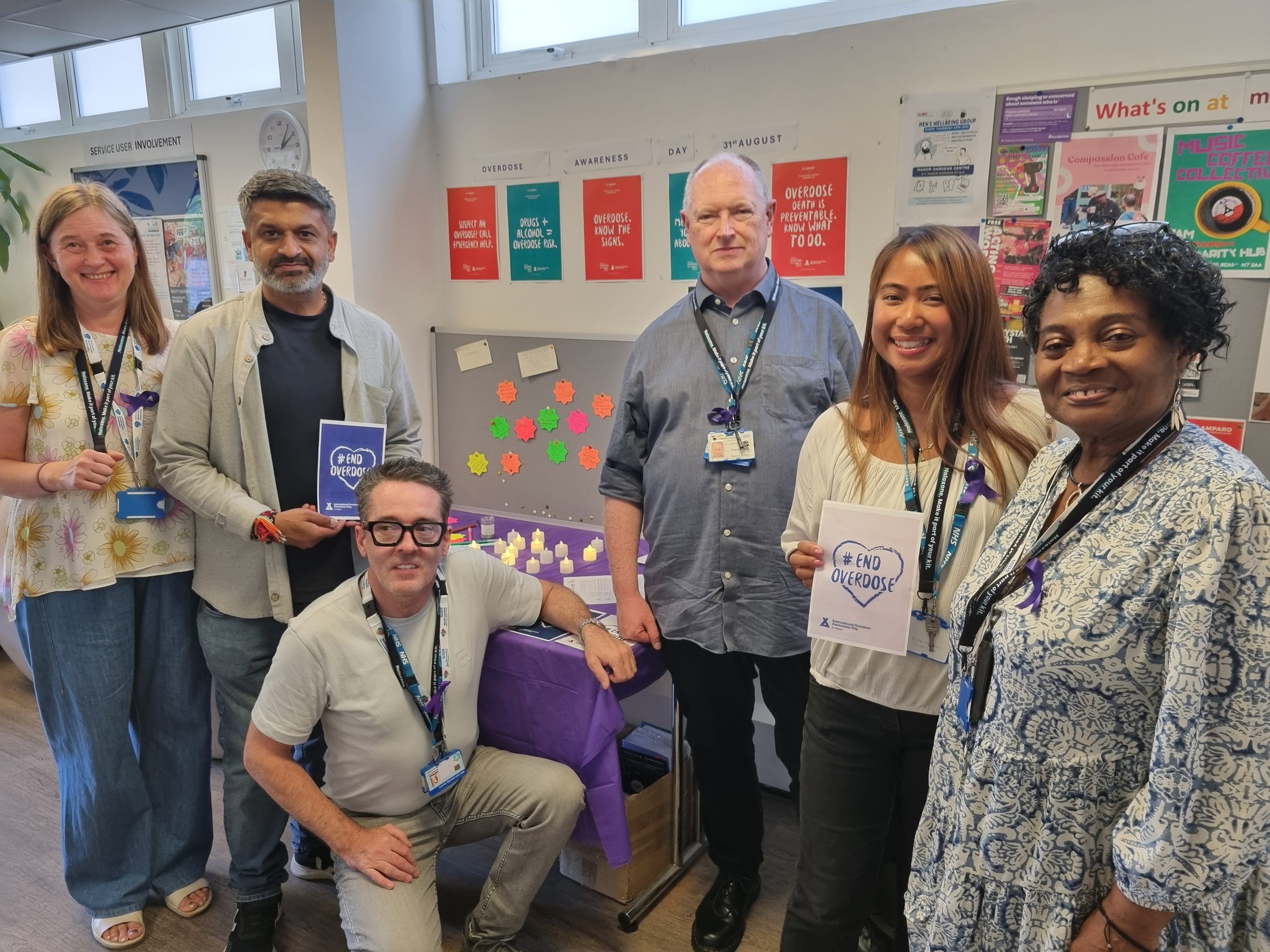
Better Lives staff shared information and support on Overdose Awareness Day, and throughout September
What is peer mentoring?
Lived experience makes peer mentoring unique. Mentors understand the challenges of addiction because they have faced them themselves. As one mentor put it, “everyone’s got something that you recognise” and can empathise with.
The impact can be transformational.
One mentor recalled seeing someone arrive in treatment at their lowest point and, just a few months later, regain their confidence and return to their career. Another spoke about teaching digital skills to someone who had spent years in prison and watching their world open up as they gained confidence and independence. Others talked about seeing people arrive feeling hopeless, then watching “the lightbulb come on” as they began to believe a different future was possible.
What would you say to someone struggling with addiction?
They said: Take things one step at a time and ask for help. Recovery is not about perfection. It is an ongoing process, and everyone’s journey looks different.
“Baby steps,” one mentor advised. Another encouraged people to think about what they want to change and what they would like their life to look like in the future. Another spoke about the importance of reaching out, accepting support and remembering that lasting change takes time.
Thanks to the dedication of peer mentors, people across Islington entering services today can see living proof that recovery is possible. No matter where someone starts, they do not have to make the journey alone.
If you or someone you know is struggling with substance use, you can find routes to support on our website: Treatment services for drugs and alcohol | Islington Council

